
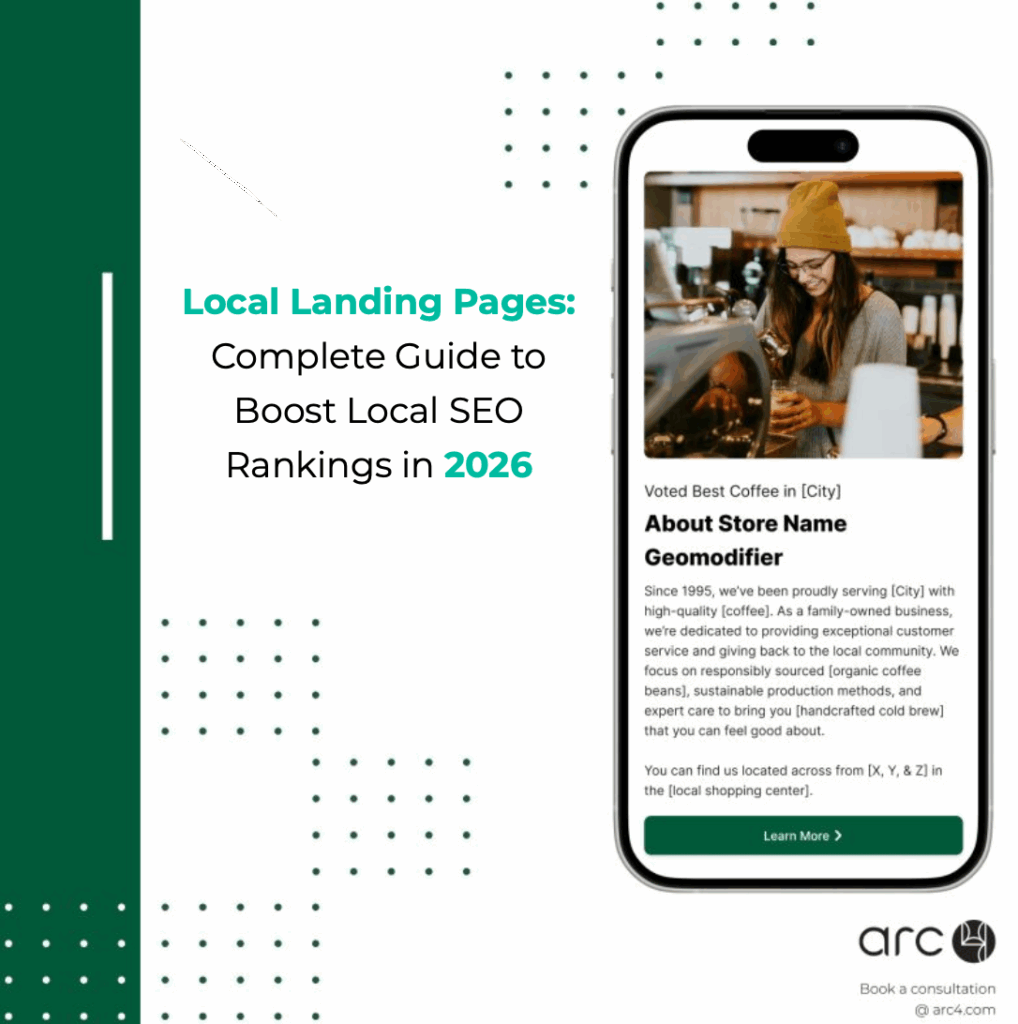
Local Landing Pages: Complete Guide to Boost Local SEO Rankings in 2026
When potential customers search for services “near me,” they’re ready to buy, but only if they can find exactly what they’re looking for. In 2026, local searches drive more business than ever before, with search engines prioritizing location-specific results that connect local customers with nearby businesses.
Local landing pages have become the secret weapon for businesses looking to create landing pages that dominate their local market. Unlike generic web pages that try to appeal to everyone, these location-specific pages speak directly to your local audience, highlighting exactly what they need to know about your services in their area.
This comprehensive guide will walk you through everything you need to know about creating effective landing pages and marketing strategies that boost your local SEO rankings, increase conversions, and help your business stand out in local search results.
What Are Local Landing Pages and Why They Matter in 2026
A local landing page is a web page specifically designed to target customers in a particular location or service area. These pages go far beyond simply adding a city name to your existing content, they create a tailored experience for local audiences that search engines and users both love.
The numbers tell the story: “near me” searches have increased by 400% year-over-year, highlighting the explosive growth in location-based search intent. When someone searches for “plumbing services near me” or “dentist in Austin,” they’re not just browsing, they’re ready to take action.

Local landing pages differ significantly from regular service pages and basic store locator functionality. While a typical service page might describe what you do, a local business landing page explains what you do specifically for customers in that location.
Instead of a simple store locator that just lists addresses, local pages provide comprehensive information about each location, including unique services, showcasing location specific offerings, local events, community involvement, and location-specific offerings.
These pages play a crucial role in Google’s local pack results, those map listings that appear at the top of local searches. When your local landing page is optimized correctly, it signals to search engines that your business operates in that specific area and is relevant to local search queries.
Research shows that local searches convert 18% faster than non local searches because users have immediate purchase intent. When someone searches for services in their area, they’re not comparing shopping across the globe, they’re looking for a solution they can access today.
Key Benefits of Local Landing Pages for Your Business
The impact of well-executed local pages on business performance is substantial. Companies that implement 10-15 local landing pages targeting valuable keywords typically see conversion increases of 55%, while businesses with 40+ location pages can experience conversion improvements of up to 500%.
Higher conversion rates represent just the beginning. Location-specific traffic brings immediate purchase intent, these website visitors aren’t browsing for information, they’re actively seeking a local business to solve their problem. This translates to shorter sales cycles and higher-value customers.
Local landing pages significantly improve your local search authority and Google rankings for geo-targeted keywords. When you create content that’s genuinely relevant to a specific location, search engines understand your local presence and are more likely to show your business to local customers searching for your services.
The enhanced user experience these user friendly pages provide cannot be overstated. Visitors immediately find the information they need: business hours for their specific location, driving directions, local contact details, and services available in their area. This eliminates friction in the customer journey and builds trust with local audiences.
For businesses running paid advertising campaigns, local landing pages dramatically improve ad campaign performance. When your Google ads for “roofing services in Denver” direct users to a Denver-specific landing page that features google reviews rather than a generic service page, the message alignment creates higher quality scores, lower costs per click, and significantly better conversion rates.
Perhaps most importantly, local pages enable precise analytics tracking for each location’s marketing ROI. You can identify which locations generate the most valuable traffic, which local keywords convert best, and where to focus your marketing investment for maximum return.
Strategic Planning: Research and Keyword Analysis
Successful local landing page creation starts with understanding where your customers actually are. Google Analytics provides invaluable insights through Audience > Geo > Location reports, showing you which cities and regions generate the most traffic and conversions for your business. Facebook Insights offers similar geographic data that can reveal untapped markets in your service area.
Local keyword research extends far beyond simply adding city names to your target keywords. Effective local SEO requires understanding both explicit and implicit local intent keywords. Explicit keywords include obvious location modifiers like “Chicago restaurants” or “Miami real estate agent.” Implicit keywords represent searches where users expect local results even without mentioning location, such as “emergency plumber” or “wedding photographer.”
Google Keyword Planner becomes essential for gathering city-specific search volume data. Many businesses discover that smaller surrounding cities often have less competition and higher conversion rates than major metropolitan areas.
Target keyword research should include:
- Primary service keywords with city modifiers
- Neighborhood-specific terms and local landmarks
- Regional slang and terminology
- Seasonal keywords relevant to local climate
- Local event-related keywords
Competitor analysis using Google’s Ad Preview tool reveals what other businesses are targeting in different locations. Search for your primary keywords from different cities to see which competitors appear and what messaging they use. This intelligence helps identify “hidden gem” local keywords that competitors overlook.
The most successful local businesses identify location-based queries that their competitors haven’t optimized for. These might include specific neighborhood names, local landmarks, or regional variations in how people describe services.
Essential Content Elements for High-Converting Local Landing Pages
Creating unique, location-relevant content represents the foundation of effective local landing pages. Each page must provide genuine value specific to that location, avoiding the duplicate content penalties that come from simply changing city names on template pages.
Authentic local images make an enormous difference in both user experience and search engine rankings. Use actual photos of your business location, local team members, and completed projects in that area. Optimize image file names with location-relevant keywords and include descriptive alt text that helps search engines understand the local context.
Consistent NAP information (Name, Address, Phone) must match exactly across all online platforms. Even small discrepancies can confuse search engines and hurt your local rankings. This includes formatting consistency, if you use “Street” on your Google Business Profile, use “Street” everywhere, not “St.”
Location-specific business hours and holiday schedules address real customer needs. Different locations may have different store hours, and customers need accurate information to plan their visit. Include any seasonal variations or special holiday schedules that apply to that specific location.
Embedded Google Maps serve multiple purposes: they help visitors find your location easily, verify your physical presence, and provide additional local SEO signals to search engines. The map integration should include your exact business location with correct coordinates.
Local customer testimonials and reviews that mention specific services and locations build powerful local authority. Feature reviews that reference the local area: “Best roofing company in downtown Portland” carries much more local relevance than generic praise.
Develop location-specific products or services based on regional preferences, local climate, or area-specific needs. A landscaping company might emphasize drought-resistant plants in Arizona while promoting lush gardens in Seattle. This specificity demonstrates genuine local expertise.
Technical SEO Requirements for Local Landing Pages
Technical implementation and on page signals determine whether search engines can properly crawl, index, and rank your local pages. URL structure follows best practices with clean, readable formats like domain.com/service/city rather than auto-generated codes or complex parameter strings.
Title tag optimization requires precision. Keep titles under 60 characters while including both your target keyword and location. “Emergency Plumbing Services in Austin, TX – 24/7 Response” clearly communicates both service and location within search engine display limits.

Meta descriptions within 160 characters should feature local keywords and unique selling points specific to that location. These descriptions often determine whether users click on your listing, making them critical for both SEO and conversion optimization.
H1 and heading tag optimization structures your content logically without keyword stuffing. Your H1 should include your primary target keyword and location, while subsequent headings organize supporting information clearly.
The first 100 words of your page content carry extra weight with search engines. Include your target keywords naturally within this section while ensuring the content matches your meta description promises.
LocalBusiness Schema markup implementation provides search engines with structured data about your business location, hours, services, and contact details. Test your schema markup using Google’s Structured Data Testing Tool to ensure proper implementation.
Mobile responsiveness isn’t optional, it’s essential. Use Google’s Mobile Friendly Test tool to verify that your local pages perform well on mobile devices, considering that the majority of local searches happen on smartphones.
Page loading speed impacts both user experience and search rankings. Optimize images, minimize code, and ensure fast loading times, especially on mobile connections where local searchers often have limited bandwidth.
Best Practices for Multi-Location Businesses
Multi location businesses face unique challenges in creating effective local landing pages without triggering duplicate content penalties. Each physical location needs its own dedicated page with unique NAP data and location-specific content.
Customize content for local demographics, climate, and regional preferences rather than using template-generated text. A gym chain might emphasize outdoor activities in Colorado while focusing on climate-controlled comfort in Arizona. This localization demonstrates genuine understanding of local market conditions.
Coordinate local landing page creation with Google Business Profile setup for each location. Ensure consistent information across both platforms and link your landing page from your Google Business Profile to strengthen local authority signals.
Internal linking strategy connects location pages with relevant service pages and your main website. Link from city pages to specific services available in that area, and include location pages in your main navigation when appropriate.
Maintain consistent branding across all locations while preserving local relevance. Your brand colors, fonts, and overall messaging should remain consistent, but content should reflect local character and community connections.
Integrate social media profiles for each location when possible. Location-specific Facebook pages, Instagram accounts, or LinkedIn profiles provide additional platforms for local engagement and social proof.
Create location-specific landing pages for major service areas even if you don’t have physical offices there. Service area businesses can effectively target multiple cities by highlighting local events, partnerships, and community involvement in each area they serve.
Common Mistakes to Avoid
The most damaging mistake businesses make involves using identical content across multiple location pages with only city names changed. Search engines easily identify this pattern and may filter out duplicate pages, eliminating your local SEO advantage entirely.
Keyword stuffing in titles, headers, and content hurts both credibility and rankings. While including location keywords is important, they must appear naturally within high-quality, readable content that provides genuine value to visitors.
Inconsistent NAP information across different platforms and directories confuses search engines and customers alike. Regular audits ensure your name, address, and phone number match exactly across Google Business Profile, local directories, social media, and your website.
Creating fake locations or addresses can result in severe Google penalties that devastate local search visibility. Only create location pages for areas where you have genuine business operations, whether physical locations or established service areas.
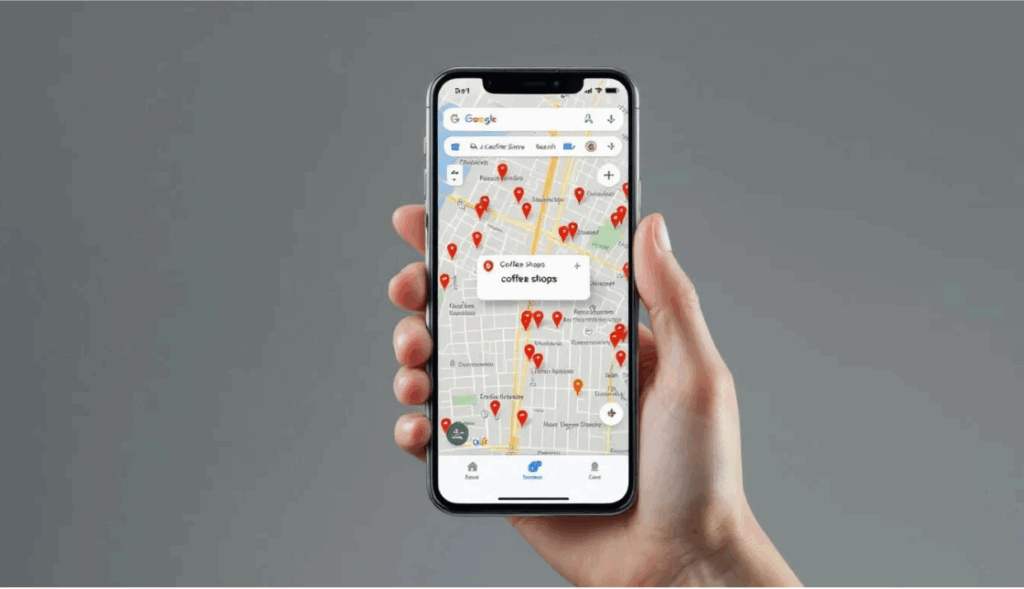
Neglecting mobile optimization proves particularly costly for local businesses, since 80% of local searches occur on mobile devices. Ensure fast loading times, easy navigation, and clear contact details on all mobile devices.
Missing or poorly implemented schema markup reduces opportunities for rich snippet displays and local pack inclusion. Proper LocalBusiness markup should include business name, address, phone number, business hours, and service areas.
Failing to highlight local events and community connections represents missed opportunities for local relevance. Mention local festivals, charity involvement, partnerships with other local businesses, and participation in community activities.
Ignoring the local community context makes pages feel generic and unhelpful. Reference local landmarks, understand regional terminology, and acknowledge area-specific challenges your business addresses.
Measuring Success and Optimization
Key metrics for local landing page performance include local search rankings for target keywords, organic traffic by location, and most importantly, conversion rates for each geographic area. Track these metrics separately for each location to identify top-performing areas and optimization opportunities.
Google Search Console provides detailed insights into local keyword performance, showing which location-based queries drive traffic to your pages and how your rankings change over time. Monitor impressions, clicks, and average positions for location-specific keywords.
Google Analytics location-specific traffic analysis reveals which geographic areas generate the most valuable visitors. Set up location-based goals to track conversions from different cities and regions, helping identify where to focus marketing efforts.
Regular NAP consistency audits across all online platforms prevent the gradual drift that hurts local rankings. Check major local directories, industry-specific platforms, and social media profiles quarterly to ensure information accuracy.
A/B testing different content approaches and calls-to-action by location helps optimize conversion rates. Test different headlines, offers, and page layouts to identify what resonates best with local audiences in each market.
Quarterly reviews and content updates maintain fresh signals that modern search algorithms value. Update local events, seasonal offerings, new customer testimonials, and any changes in services or business hours.
Monitor local competitor activity and adjust your strategy accordingly. New competitors entering your market may require updated positioning or additional location pages to maintain market share.
Track phone calls, email inquiries, and in-person visits generated by each local landing page when possible. These offline conversions often represent the highest-value customers and help calculate true ROI for your local SEO efforts.
Local landing pages represent one of the most powerful tools for businesses looking to dominate their local market in 2025. When implemented correctly, these pages create a competitive advantage that’s difficult for competitors to replicate, combining improved search rankings with higher conversion rates and better customer experiences.
The businesses that invest in comprehensive local landing page strategies now will establish local search authority that compounds over time. Start with your highest-opportunity locations, implement the technical requirements correctly, and focus on creating genuinely helpful, location-specific content that serves your local customers’ real needs.
Your local customers are searching for your services right now. Make sure they find exactly what they’re looking for when they land on your local pages.
Looking to Improve Your Local Search Performance?
If you’re ready to turn your local landing pages into a driver of stronger local visibility and conversions, our team can help. Arc4 builds high-performing local pages for multi-location and service-area brands using proven technical SEO, structured data, and location-specific content strategies.
Explore our full range of Local Landing Page Services or Contact Us for a consultation to discuss the best approach for your business.